
The State of Influencers in 2026: From Nantucket Bans to the OnlyFans Fortress Economy
Leo Vance
Published: Sep 12, 2026 • 9 min read
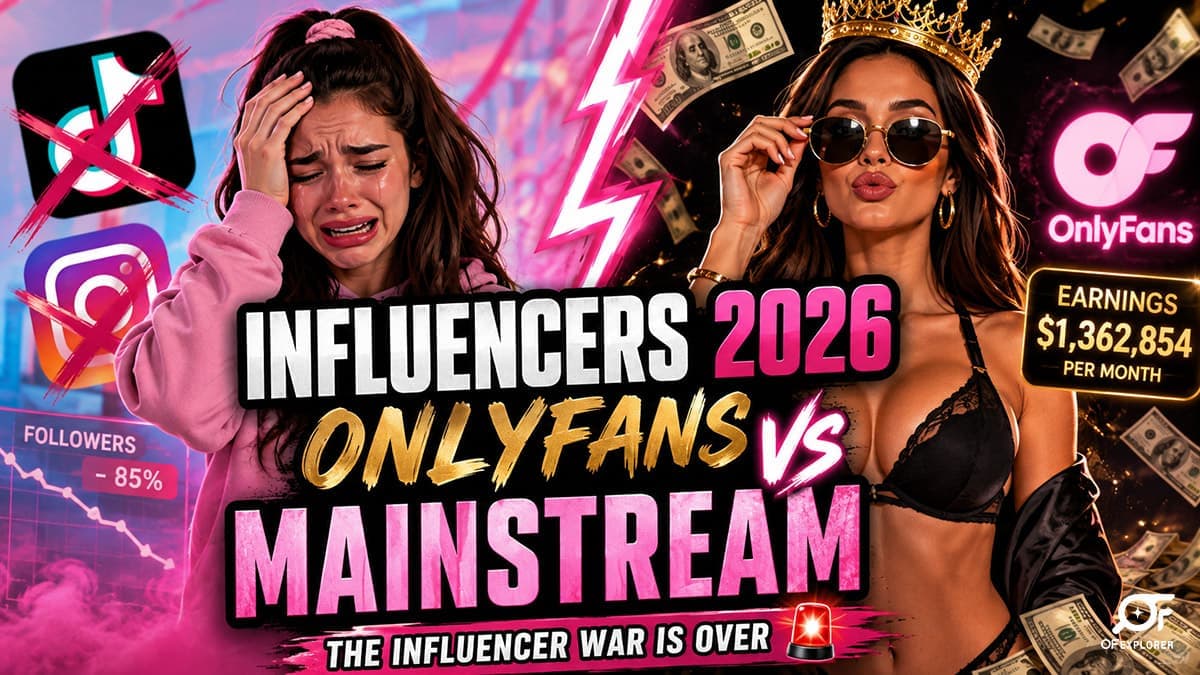
The global creator economy in 2026 has reached a cultural breaking point. For over a decade, the dominant archetype of internet success was the mainstream lifestyle influencer: an attractive personality curating an aspirational lifestyle on Instagram, TikTok, and YouTube, sustained financially by high-end corporate brand sponsorships, affiliate codes, and PR gifting suites.
Today, that traditional model is experiencing unprecedented public fatigue, cultural backlash, and structural financial vulnerability. From historic coastal communities in New England erecting physical signs banning content creators to algorithmic demonetization wiping out ad-dependent digital publishers, the mainstream influencer industry is under siege.
Simultaneously, a parallel creator ecosystem has decoupled entirely from the whims of corporate brand marketing: the direct-to-consumer subscription economy. Creators operating on platforms like OnlyFans have engineered insulated, highly profitable financial fortresses. While a mainstream influencer can be stripped of their livelihood overnight by a brand boycott or an awkward public controversy, subscription creators answer exclusively to their paying subscribers.
In this deep cultural and economic investigation, we analyze the fault lines dividing the 2026 creator landscape: dissecting the viral Nantucket Island controversy, the fragility of corporate sponsorship dependencies, and the emergence of direct-to-fan subscription paywalls as the ultimate safe haven.
The "No Influencers" Sign: Nantucket and the Mainstream Breaking Point
Nothing crystallizes the mounting public irritation with traditional social media creators quite like the cultural firestorm that erupted in Nantucket County, Massachusetts.
For centuries, Nantucket Island has cultivated an image of understated historic preservation, cobblestone serenity, and quiet coastal heritage. In recent summers, however, the island became a premier staging ground for lifestyle creators filming sponsored "haul" videos, unboxing luxury apparel, and transforming local retail boutiques into impromptu photo studios without permission.
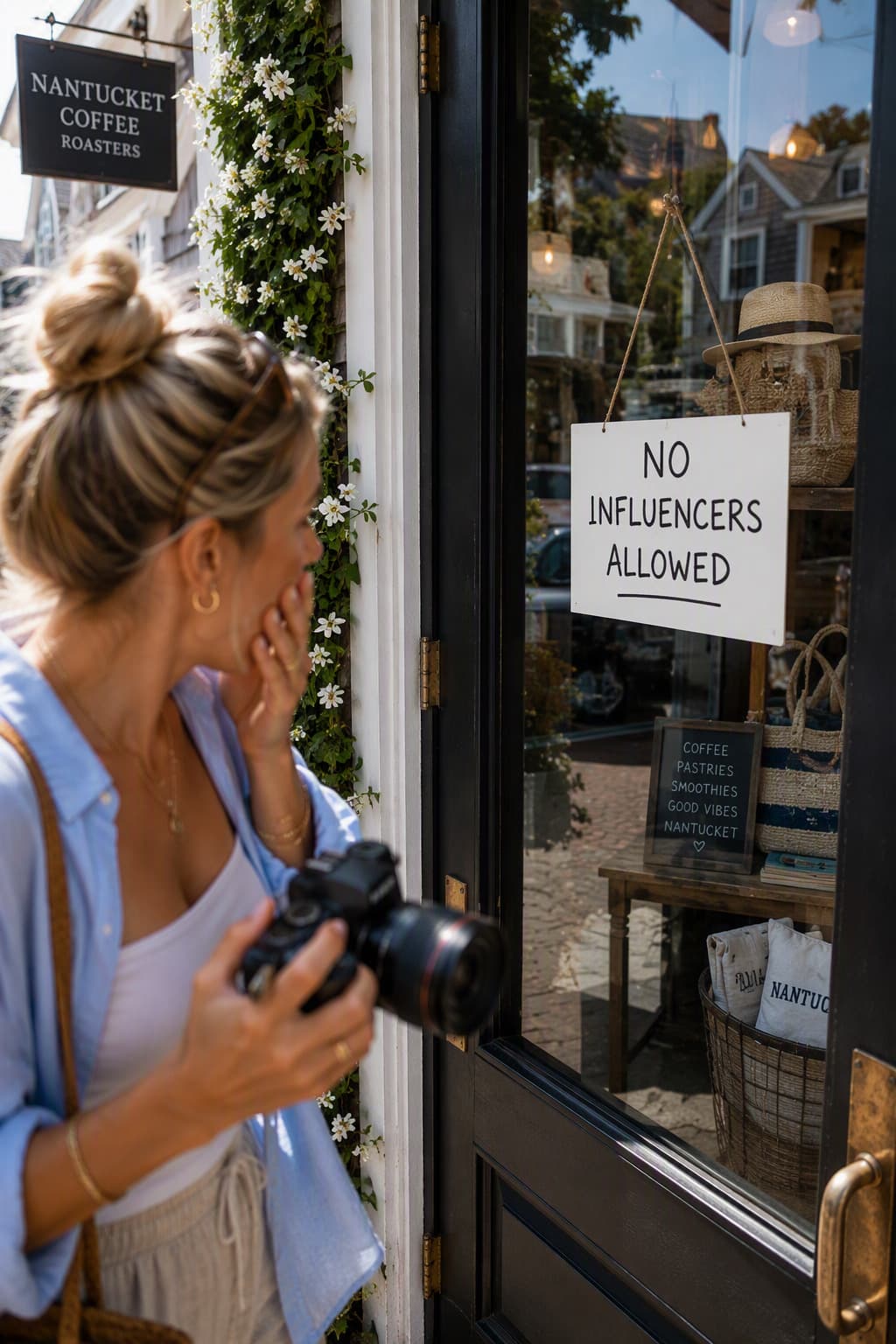
The boiling point occurred when the historic Four Winds Craft Guild, a beloved local craft shop operating in the heart of downtown Nantucket, placed an explicit handwritten notice in its storefront window: "NO INFLUENCERS."
| Incident Phase | Key Developments | Cultural & Media Reaction |
|---|---|---|
| Retailer Boycott Notice | Historic Four Winds Craft Guild posts explicit handwritten "NO INFLUENCERS" sign in downtown window | Local merchants push back against unauthorized in-store filming and photo shoots |
| Influencer Response | Paige Lorenze (Dairy Boy founder) criticizes the storefront sign as hostile and unwelcoming | Comments spark national dialogue on influencer behavior in historic public spaces |
| Streisand Effect Surge | Search terms explode across TikTok, Instagram, and national news outlets | Broad public support aligns with independent small business owners over brand trips |
The friction intensified when lifestyle creator and entrepreneur Paige Lorenze—founder of the lifestyle apparel brand Dairy Boy, which had recently launched a high-profile summer storefront on Federal Street in Nantucket—publicly addressed the sign on social media. Lorenze, widely followed for her country-chic aesthetic and high-profile relationship with American professional tennis star Tommy Paul, characterized the retail prohibition as hostile and exclusionary.
Rather than garnering public sympathy, the defense triggered a massive "Streisand Effect." Search volume for terms like "no influencers sign nantucket", "dairy boy nantucket", and "paige paul no influencers" exploded across search engines and TikTok feeds. Local residents, year-round business owners, and millions of social media commentators rallied behind the shopkeepers, expressing profound exhaustion with "influencers in the wild" treating sacred historic spaces as commercial set pieces.
The Fragility of the Sponsorship Economy
The Nantucket controversy laid bare the fundamental architectural weakness of the mainstream influencer business model: Third-Party Brand Vulnerability.
Mainstream influencers do not sell digital products directly to their followers; they sell their followers' attention to corporate advertisers. This business model forces creators into a delicate and stressful balancing act:
- Brand Safety Constraints: Corporate sponsors require creators to remain completely sanitized. A single controversial opinion, off-color joke, political misalignment, or awkward video clip can lead to immediate corporate boycotts.
- Delayed Payment Terms: Brand sponsorships typically operate on Net-60 or Net-90 payment terms. Influencers routinely spend months chasing outstanding invoices from corporate marketing agencies.
- Algorithmic Demonetization: When TikTok or YouTube updates its recommendation parameters, an ad-dependent creator can experience a 70% collapse in monthly reach and programmatic ad revenue overnight.
When a mainstream influencer faces public backlash, their sponsors immediately terminate contracts to preserve brand reputation. The creator has zero financial insulation because they do not own a direct transactional relationship with their audience.
The Subscription Model as an Economic Fortress
In direct contrast to the precarious nature of corporate sponsorships, the subscription creator model operates on pure direct-to-consumer micro-patronage.
On platforms like OnlyFans, there are no Fortune 500 brand managers reviewing scripts. There are no corporate PR departments threatening contract cancellation over bad press. A creator's revenue is tied exclusively to whether their core subscribers value their ongoing creative output and personal intimacy.
| Operational Vector | Mainstream Sponsored Influencer | Subscription Creator (OnlyFans) |
|---|---|---|
| Primary Revenue Engine | Corporate Brand Deals & AdSense | Direct Fan Subscriptions & PPV |
| Vulnerability to Cancellation | Catastrophic (Loss of 100% Sponsor Income) | Negligible (Often Triggers Revenue Surges) |
| Audience Monetization Model | High-Volume / Low-Value ($0.02 CPM) | Low-Volume / High-Value ($150+ LTV) |
| Content Autonomy | Heavily Restricted by Ad Policies | 100% Creator-Directed Freedom |
| Payment Reliability | Unpredictable Net-60/90 Corporate Invoices | Direct Platform Payouts Every 21 Days |
This structural insulation explains why hundreds of prominent lifestyle vloggers, fitness athletes, and former television stars are migrating their core audiences behind subscription paywalls. A subscriber paying $15 per month directly to a creator provides more reliable, recurring economic support than 500,000 passive followers watching a sponsored lip-gloss tutorial.
The "Scandal Economy": Why Controversy Drives Subscription Surges
One of the most fascinating cultural dynamics of 2026 is the Asymmetric Impact of Public Scandal.
In mainstream lifestyle media, scandal is fatal. When a lifestyle influencer is embroiled in a controversy, sponsors flee, comment sections are disabled, and careers unravel. In the subscription creator economy, however, public scandal almost always functions as an aggressive top-of-funnel customer acquisition event.
Case Study: The Legal Prosecution of Adva Lavie (Mia Ventura)
A striking real-world demonstration of this phenomenon occurred in the criminal prosecution of digital model and creator Adva Lavie (Mia Ventura).
- The Reality of the Case: Lavie was formally indicted by the Los Angeles County District Attorney’s Office on six felony counts relating to high-end residential burglaries in Beverly Hills and an $11,000 luxury watch theft at the Coachella Music Festival in Riverside County. In August 2026, her bail was formally revoked after she cut her court-ordered electronic GPS ankle monitor, leading to her remand at the Century Regional Detention Facility (CRDF) in Lynwood, California.
- The Digital Market Reaction: Mainstream media outlets covered the sensational court filings and police arrest records extensively. However, rather than extinguishing public interest, online search queries for "influencers onlyfans" and "mia ventura onlyfans" spiked by over 5,000% on Google Trends.
- The Economic Takeaway: While an indictment of this severity would permanently destroy a mainstream creator's corporate sponsorship portfolio, the intense public curiosity generated a massive wave of internet consumers searching for her private subscription paywall to discover uncensored updates and personal context.
In the subscription economy, public curiosity—even when fueled by shocking legal headlines—translates directly into digital subscription volume.
Cultural Bifurcation: Tradwives vs. Fitness Tribalism
Because the generic middle ground of social media is exhausted, creators in 2026 are dividing into extreme cultural niches to preserve audience engagement:
1. The Tradwife Phenomenon
The meteoric rise of creators like Nara Smith and Hannah Neeleman (Ballerina Farm) highlights a massive cultural reaction against modern digital hustle culture. By producing meticulously stylized, slow-paced domestic culinary videos—making cereal from scratch in haute couture designer dresses—these creators tap into a deep consumer nostalgia for traditional domesticity.
2. Fitness and Brand Tribalism
The fitness creator space has abandoned broad, generic workout advice in favor of fierce brand tribalism. Creators align themselves rigidly with cult lifestyle brands like YoungLA or Gymshark, transforming their social followings into passionate subcultural tribes. Audiences no longer search for generic fitness routines; they seek hyper-local authenticity, looking up boutique workout spaces like Capetillo Boxing Gym and demanding raw, unfiltered lifestyle vlogs.
Frequently Asked Questions
Why did businesses in Nantucket ban influencers?
Historic retailers in Nantucket, notably the Four Winds Craft Guild, instituted "No Influencers" policies due to mounting local frustration with social media creators treating private shops and historic cobblestone streets as commercial filming studios, disrupting paying customers and disrespecting local preservation standards.
How does Paige Lorenze and Dairy Boy relate to the Nantucket drama?
Paige Lorenze, founder of the apparel brand Dairy Boy and partner of American tennis star Tommy Paul, opened a summer pop-up storefront on Nantucket's Federal Street and publicly criticized the local "No Influencers" signage. Her comments ignited a viral debate over creator commercialization in historic communities.
Why do OnlyFans creators benefit from controversies that destroy mainstream influencers?
Mainstream influencers rely on corporate sponsors who drop creators immediately to protect brand reputation. OnlyFans creators earn money directly from individual subscribers. When a subscription creator is involved in a controversy, public curiosity drives thousands of curious spectators directly to their subscription paywall.
What is the biggest advantage of a subscription paywall over brand sponsorships?
Financial predictability and creative independence. Subscription creators earn recurring monthly subscription fees and high-margin pay-per-view direct message sales, completely free from the moral guidelines, delayed invoicing, and cancellation risks imposed by corporate marketing departments.
Are mainstream influencers migrating to OnlyFans in 2026?
Yes. An increasing number of mainstream lifestyle creators, reality TV stars, and fitness athletes are establishing secondary subscription paywalls on platforms like OnlyFans to diversify their income and insulate themselves against corporate sponsor volatility and social media algorithm shifts.
Related Celebrity & Industry Analyses
- Adva Lavie (Mia Ventura): Beverly Hills Arrest & Legal Reality
- Top Influencers Who Joined OnlyFans: Celebrity Crossover Rankings
- Yanet García: From Weather Anchor to Subscription Empire
- Donna Mills OnlyFans: 85-Year-Old Hollywood Icon Joins Platform
- Blac Chyna (Angela White): Leaving Millions Behind for Redemption
- Is the OnlyFans Market Saturated in 2026? Macroeconomic Realities